AI UGC Agency for Supplement Brands: What to Look For in 2026
Quick Answer
The best AI UGC ads agency for supplement brands combines AI creative tools with supplement-specific compliance knowledge, ingredient education scripting, and ad intelligence data. Generic AI platforms like Arcads or Creatify produce ads at $50-150 each (vs $100-500 for traditional UGC), but supplement brands need a partner who understands FDA/FTC guardrails and can script around complex ingredients without triggering platform violations.
A good AI UGC ads agency for supplements does three things most creative agencies cannot. It understands FDA and FTC compliance boundaries. It scripts around complex ingredient stories without dumbing them down. And it produces enough creative volume to keep Meta’s algorithm happy without burning through your budget.
Most “top UGC agency” lists from sites like DataAlly, AskNeedle, and EntreResource rank agencies by overall reputation or client count. Not a single one of them focuses on supplement-specific AI UGC. That gap is exactly why so many supplement brands end up with beautiful ads that either get flagged for compliance issues or fail to convert because the messaging is too generic.
This post breaks down what actually matters when choosing an AI UGC ads agency for your supplement brand, based on data from analyzing 56 winning supplement ads and years of running campaigns in this space.
 Source: AG1 (drinkag1.com)
Why Supplement Brands Cannot Use Generic UGC Agencies
Supplements are not skincare. They are not fashion. They are not pet food. The regulatory environment alone makes supplement advertising a different game, and most creative agencies treat it like any other DTC vertical.
Here is what makes supplements uniquely difficult to advertise.
Compliance Is Not Optional
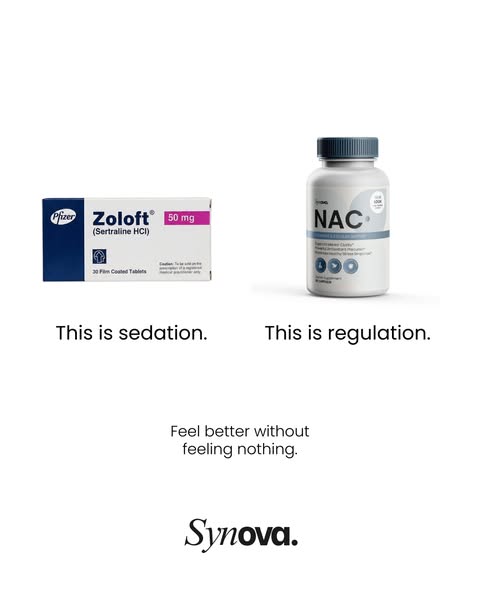
The FDA regulates supplement claims under DSHEA, and the FTC enforces advertising truthfulness. An ad that says “cures anxiety” instead of “supports calm mood” can trigger a warning letter, ad account suspension, or worse. Your AI UGC agency needs to know the difference between a structure/function claim and a disease claim without you having to explain it every time.
Brands like AG1 and Seed walk this line carefully in every single ad. Their creative teams know exactly which words to use and which to avoid. A generic UGC platform does not have this filter built in.
Ingredient Education Requires Real Scripting
Supplement consumers are increasingly educated. They know what ashwagandha is. They want to know the dose, the form (KSM-66 vs generic), and why it matters. Ads that just say “natural ingredients” without specificity get scrolled past.
Look at how LMNT sells electrolytes or how Momentous positions its creatine. The winning ads educate while they sell. That requires scripts written by people who actually understand the ingredients.
Trust Signals Matter More Than Aesthetics
In fashion, a pretty video sells. In supplements, trust sells. That means third-party testing callouts, clinical study references, doctor endorsements, and real outcome stories. A supplement-specialized agency will make sure that script includes the trust signals that actually drive conversions in this vertical.

AI UGC vs Traditional UGC for Supplements: The Real Numbers
Cost and Speed Comparison
Traditional UGC for supplements typically runs $100 to $500 per video. From brief to final asset, expect 6 to 8 weeks if you are working with individual creators through a marketplace like Insense.
AI UGC changes the math completely. A single AI-generated ad costs $50 to $150, and you can get it same day. That is not just a cost reduction. It is a fundamental shift in how you can approach creative testing.
Why Volume Matters More Than Ever
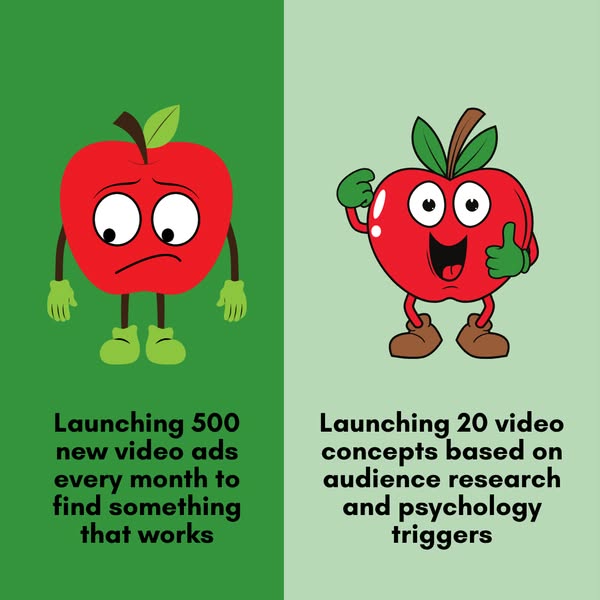
Meta’s Entity ID system now tracks creative fatigue at a granular level. The algorithm rewards accounts that consistently introduce fresh creative. Brands running the same 5 ads for months see rising CPMs and declining ROAS.
For a supplement brand spending $50K to $200K per month on Meta, the difference between 10 new creatives and 40 new creatives per month can be the difference between a 2x and a 4x ROAS.
The Format Surprise: Static Can Beat Video
In our analysis of 56 winning supplement ads using GetHooked scoring, long-form text paired with a static image scored 91, equal to the best-performing video ads.
That does not mean video is dead. It means the obsession with video-only creative strategies is leaving money on the table. The best supplement ad programs mix formats: AI-generated video, static image ads with strong copy, carousel education sequences, and text-heavy creatives.
5 Things to Look For in an AI UGC Agency for Supplements
1. Supplement-Specific Ad Intelligence
Does the agency study what is actually working in supplement advertising right now? Supplement-specific competitive intelligence. They should be able to tell you what ad formats AG1 is scaling this month and what hooks Seed is testing.
2. Compliance-Aware Creative Production
The agency should have a compliance review layer built into their process. Ask them: “If I give you a brief for a nootropic supplement, what claims can and cannot appear in the ad?” If they hesitate, walk away.
3. Creative Volume at Sustainable Cost
You need an agency that can produce 20 to 50 ad variations per month without the cost scaling linearly. Traditional UGC studios at $200 to $500 per video means 40 creatives per month costs $8,000 to $20,000 just in production. AI-powered production should bring that cost down to $2,000 to $5,000.
4. Format Diversity Beyond Video
If an agency only produces video, they are ignoring half the opportunity. Your agency should produce video, static image ads, carousel ads, and text-heavy creatives.
5. Data-Driven Iteration, Not Just Delivery
A good agency does not just deliver 30 ads and disappear until next month. They watch performance data, identify which hooks and angles are working, and produce variations of winners.
The Landscape: Tools vs Agencies vs Hybrid
Self-Serve AI Tools
Arcads is the leading AI UGC generation platform. Fast, affordable, and improving rapidly. But it is completely generic with no supplement knowledge.
Creatify takes a URL-to-video approach. Clever for e-commerce, but supplement product pages rarely contain the kind of copy that makes good ads.
MakeUGC and AdCreative.ai are other options competing in the same space. Good for basic content, but again, no vertical specialization.
The common thread: these are tools, not strategies.
Traditional UGC Agencies and Marketplaces
Insense connects brands with human UGC creators. High-quality, authentic content. But it is expensive and slow. Trend operates as a managed UGC studio with similar cost and timeline challenges.
The Hybrid Model
A hybrid AI UGC agency uses AI tools for volume and speed but layers on human expertise for strategy, compliance, and creative direction. The AI generates the assets. The humans decide what to generate and why.
At APXlab, we built this hybrid approach specifically for supplement, skincare, and DTC health brands. Every brief starts with competitive intelligence from our GetHooked analysis. Scripts are written around compliant claims and proven hooks. And the output spans every format Meta supports.
The Bottom Line
The best AI UGC ads agency for your supplement brand is not the cheapest one or the one with the most avatars. It is the one that understands your regulatory environment, studies what is actually winning in your category, and can produce the volume of diverse creative that Meta’s algorithm demands.
Generic tools will get you started. But if you are spending real money on Meta ads and selling something people put in their bodies, you need a partner who treats supplements as the specialized category it is.
Ready to see what data-driven, compliance-aware AI creative looks like for your supplement brand? Learn more at APXlab.