7 Best UGC Options for Supplement Brands in 2026 (AI vs Traditional)
Quick Answer
The best UGC options for supplement brands in 2026 include APXlab (specialized AI creative studio, $2K/mo), Arcads ($97-497/mo AI avatars), Insense (human creators, $150-400/video), Creatify ($39-299/mo AI video), MakeUGC ($49-199/mo budget AI), Trend (premium human UGC), and Billo (hybrid marketplace). AI options deliver 5-10x more creative volume at 70-85% lower cost per asset.
The supplement UGC landscape looks completely different than it did 12 months ago. Traditional creator marketplaces still exist, but AI-powered alternatives have matured to the point where the line between human-filmed and AI-generated content is nearly invisible to most consumers.
We analyzed 56 winning supplement ads through GetHooked’s scoring system. The top performers scored 91 out of 100 regardless of whether they used traditional UGC or AI-generated creative. What mattered was the hook, the structure, and the supplement-specific messaging.
This guide breaks down the 7 best options available to supplement brands right now, with honest pricing, real pros and cons, and a clear recommendation based on where you are in your growth journey.

How We Evaluated Each Option
We weighted five factors for each platform: cost per finished asset, turnaround speed, supplement-specific capabilities, creative volume potential, and Meta ad performance data.
We also considered how each option handles the realities of supplement advertising. That means FDA and FTC compliance awareness, ingredient-focused storytelling, and the ability to produce enough creative variety to beat Meta’s creative fatigue system.
Brands running 40 or more creatives per month see 2 to 4x higher ROAS compared to those running 10 or fewer. That volume requirement shaped our evaluation more than anything else.
1. APXlab: Best for Serious Supplement Brands
APXlab is the only option on this list built exclusively for supplement and wellness brands. Every workflow, template, and creative strategy has been designed around supplement-specific messaging patterns.
Pricing: $1,500 for a trial engagement (10 ads, 2 concepts), then $2,000 per month for ongoing creative production with 20 ads and 5 concepts.
What you get: A dedicated creative team combining AI generation with supplement marketing expertise. They handle the entire pipeline from competitor analysis to final ad delivery, typically producing 30 to 50 unique creatives per month across video, static, and carousel formats.
Why it works for supplements: Every script goes through compliance review before production. The team knows the difference between a structure/function claim and a disease claim. They use GetHooked ad intelligence data to study what is actually winning in the supplement category right now, not what worked six months ago.
Pros: Deep supplement expertise, compliance-aware scripting, multi-format delivery (video plus static plus carousel), data-driven creative strategy, performance-based iteration.
Cons: Higher monthly investment than self-serve tools, not a fit for brands spending under $5K per month on ads, requires 1 to 2 day onboarding.
Best for: Supplement brands spending $10K or more monthly on Meta ads who want a creative partner, not just a tool.
2. Arcads: Best Self-Serve AI Tool
Arcads has built one of the most polished AI UGC platforms on the market. Their avatar technology produces realistic talking-head videos, and the self-serve interface means you can go from script to finished video in minutes.
Pricing: Plans range from $97 to $497 per month depending on volume. The mid-tier plan at around $249 per month gives most brands enough credits for serious testing.
What you get: Access to 300 or more AI avatars, script-to-video generation, URL-to-video conversion, and batch production tools.
Why supplement brands hit limits: Arcads is a horizontal platform built for every product category. It does not understand supplement positioning, ingredient storytelling, or compliance boundaries. The scripts you feed it determine the output quality, and most supplement brands do not have dedicated copywriters who specialize in health product advertising.
Pros: High-quality avatars with natural lip sync, fast turnaround in minutes, large avatar variety, solid API for automation, affordable entry point.
Cons: No supplement expertise, you write all scripts yourself, no compliance layer, generic creative strategy, every DTC brand uses the same avatars.
Best for: Marketing teams with strong in-house copywriters who need a production tool, not strategy.
3. Insense: Best Traditional UGC Marketplace
Insense connects brands with real human creators who film authentic UGC content. They have built a large creator network with good filtering tools and a managed workflow that simplifies the briefing and delivery process.
Pricing: Platform fees start around $400 per month. Creator fees are additional and typically range from $150 to $400 per video depending on the creator’s tier and deliverable complexity.
What you get: Access to thousands of vetted creators, brief management tools, content rights licensing, and creator communication tools. You create a brief, creators apply, and you choose who to work with.
Why it still matters: There are specific situations where real human UGC outperforms AI. Brand story videos, influencer whitelisting campaigns, and testimonials where the creator’s identity is part of the value proposition. For those use cases, Insense delivers authentic content that AI cannot fully replicate yet.
Pros: Real human authenticity, large diverse creator network, good project management tools, content rights handled through the platform.
Cons: 2 to 4 week turnaround from brief to delivery, $200 to $500 per finished video, inconsistent quality between creators, no supplement-specific creator vetting, limited volume before costs become prohibitive.
Best for: Brands that need a handful of high-quality human UGC pieces per month for organic social or hero campaigns.
4. Creatify: Best AI Tool With Performance Data
Creatify has made waves with their published performance data. Their internal study showed AI-generated ads achieving 28% lower cost per result and 31% lower CPC compared to traditional creative. That data point alone has driven significant adoption among performance marketers.
Pricing: Plans range from $39 to $299 per month. The mid-tier plan around $149 per month is the sweet spot for most brands running active Meta campaigns.
What you get: AI video generation, URL-to-ad conversion (paste your product page and get a video ad), batch generation for volume testing, and basic performance analytics integration.
The supplement limitation: Creatify’s URL-to-video feature pulls copy from your product page and generates a script automatically. For supplements, product pages rarely contain the kind of emotionally resonant, compliance-aware copy that makes winning ads. The result is technically correct but strategically flat.
Pros: Published performance data backing the platform, useful URL-to-ad feature for quick creative, competitive pricing, regular feature updates, good batch generation tools.
Cons: Not supplement-specific, auto-generated scripts need heavy editing for health products, no compliance awareness, no strategic guidance or optimization support.
Best for: Growth marketers comfortable editing AI-generated scripts who want a capable tool with proven performance metrics.
5. MakeUGC: Best Budget AI Option
MakeUGC targets brands and solo marketers who want AI-generated UGC at the lowest possible price point. The platform focuses on simplicity and speed over premium features.
Pricing: Plans start at $49 per month for basic access. Pro plans with more credits and features run $99 to $199 per month.
What you get: AI avatar videos with script input, basic editing tools, and UGC-style templates. The interface is straightforward and designed for quick production without a learning curve.
Pros: Most affordable AI UGC entry point, simple interface, decent output quality for the price, good for testing whether AI UGC works for your brand before committing more budget.
Cons: Avatar quality noticeably below Arcads and Creatify, limited avatar variety, no supplement features whatsoever, basic editing capabilities, script quality depends entirely on your writing.
Best for: Early-stage supplement brands with tight budgets testing AI UGC for the first time.
6. Trend: Best Premium Human UGC
Trend positions itself as a premium UGC platform with higher production standards than typical marketplaces. Their creator network skews toward experienced content producers with better equipment and editing skills.
Pricing: Packages start around $500 per month for a set number of videos. Per-video costs typically land between $200 and $350 depending on complexity and creator tier.
What you get: Curated creator matching, higher production quality standards, and more hands-on project management than budget marketplaces.
Pros: Higher average production quality, better creator vetting, more consistent output than budget marketplaces, good for hero content and brand awareness campaigns.
Cons: Premium pricing limits creative volume, still subject to creator availability and multi-week turnaround, no AI generation capabilities, limited supplement specialization.
Best for: Brands that want a few polished human UGC pieces and have the budget for premium creator content.
7. Billo: Best Hybrid Marketplace
Billo bridges traditional UGC and structured production with a marketplace offering both creator-filmed content and more templated production options.
Pricing: Videos start around $99 each for basic creator content. Packages and bulk pricing available for higher volumes.
What you get: A creator marketplace with project management, brief tools, and a range of creator price points. Some creators offer higher production value with better equipment and editing.
Pros: Lower per-video cost than premium marketplaces, decent creator variety, simple ordering process, good entry point for brands trying human UGC.
Cons: Quality varies significantly between creators, no AI generation capabilities, limited supplement expertise, turnaround still measured in weeks, scaling costs add up fast.
Best for: Brands wanting human UGC at moderate prices who can handle some quality inconsistency.
The Volume Problem That Changes Everything
Here is the fundamental challenge every supplement brand faces on Meta in 2026. The platform’s Entity ID system tracks creative uniqueness and penalizes repetition. When your ads look too similar to each other or have been running too long, Meta limits their distribution.
The solution is creative volume. You need 30 to 50 unique creatives per month to consistently outperform competitors who are feeding Meta’s algorithm with fresh assets.
At traditional UGC rates of $200 to $500 per video, producing 40 creatives monthly costs $8,000 to $20,000 in production alone. That is before ad spend even enters the equation.
AI-powered solutions completely change this math. At $50 to $150 per AI-generated ad, that same 40-creative volume costs $2,000 to $6,000. And delivery happens in days, not weeks.
This is why the market is shifting toward AI-first approaches. It is not about whether AI content is “better” than human content in a vacuum. It is about whether you can produce enough creative variety to keep Meta’s algorithm engaged while maintaining quality and compliance.
The Format Gap Nobody Talks About
Most UGC platforms, both human and AI, focus almost exclusively on video. Talking head videos are the default UGC format, and the tools are built around that assumption.
But our data tells a different story. When we scored 56 winning supplement ads, text-plus-image static ads scored 91 out of 100, matching the best-performing video content. Long-form copy paired with a compelling image converts just as well as polished video in many supplement campaigns.
That means if your UGC platform only produces video, you are potentially ignoring half your best-performing creative opportunities. The supplement brands winning on Meta right now use a mix of formats: AI video, static image ads with strong copy, carousel education sequences, ingredient breakdowns, and authority-style editorial layouts.
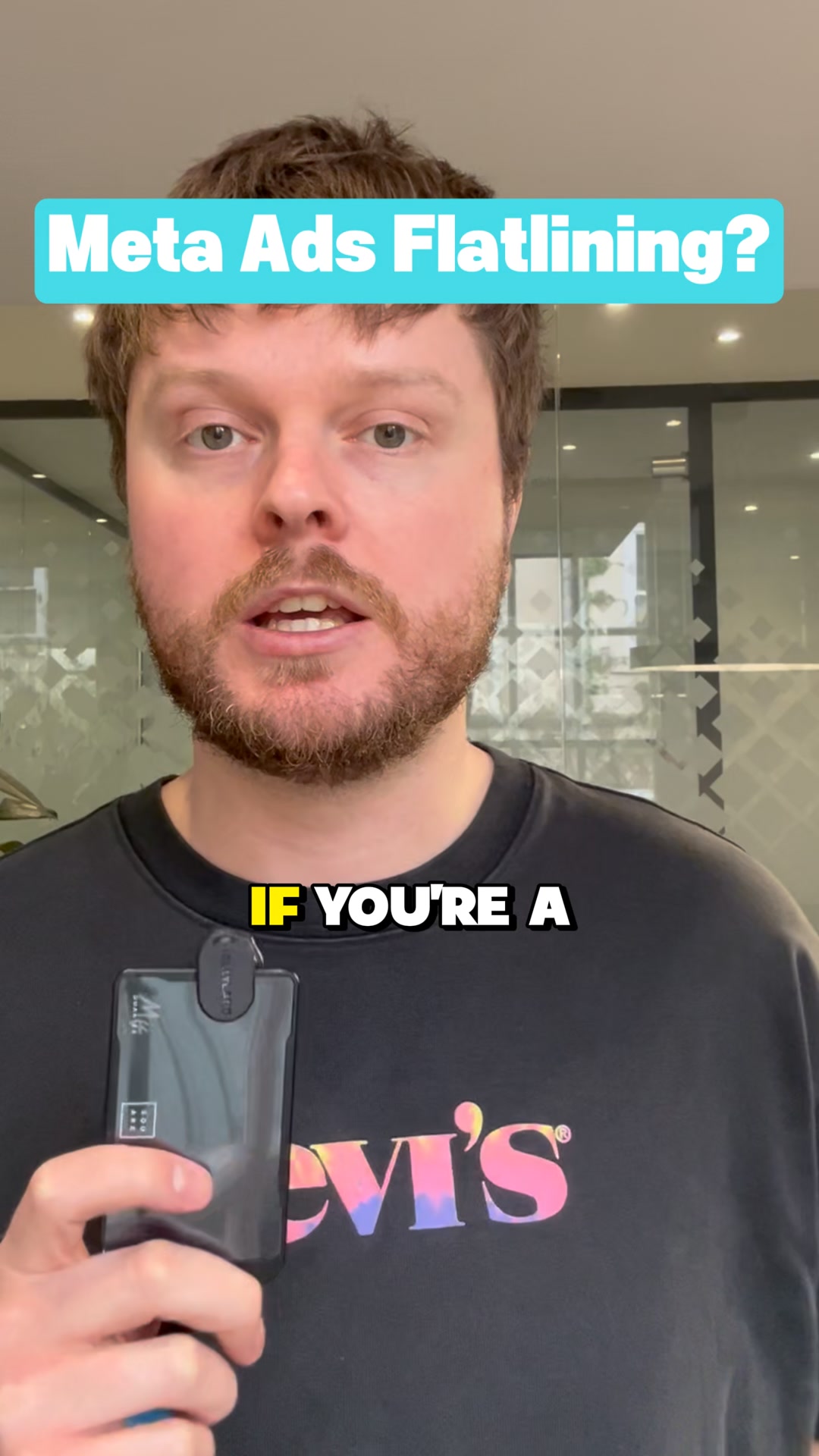
Only a few platforms on this list can deliver across all those formats. Most are locked into video-only production, which leaves significant performance on the table.
Our Recommendation by Budget Level
Under $5K per month ad spend: Start with MakeUGC or Creatify. Learn what hooks resonate with your audience. Write your own scripts using competitor ads as templates (study what is working in the Meta Ad Library). Keep creative costs under $500 per month while you find product-market fit.
$5K to $20K per month ad spend: Graduate to Arcads for higher-quality AI video production. Pair it with a freelance supplement copywriter who can write compliant, high-converting scripts. Consider supplementing with 2 to 3 Insense creators per month for authentic testimonial content. Total creative budget: $1,000 to $3,000 per month.
Over $20K per month ad spend: This is where APXlab pays for itself. At this spend level, a 10% improvement in creative performance saves more than the monthly service cost. The combination of supplement expertise, compliance awareness, ad intelligence data, and multi-format production is hard to replicate by stitching together individual tools.
The Hybrid Approach Most Brands Settle On
The smartest supplement brands are not choosing between AI and human UGC. They are using both strategically.
Human creators handle brand building. The founder story video. The authentic testimonial from a real customer. The influencer partnership where the creator’s audience is the distribution channel. These pieces build trust and brand equity that AI cannot fully replicate.
AI handles performance creative. High-volume hook testing. Scaling proven concepts into 20 variations. Static image ads with strong copy. Compliance-safe iterations. Feeding Meta fresh Entity IDs every week. These pieces drive conversions and keep the algorithm happy.
The brands winning right now are the ones that figured out this split. They invest in a few pieces of premium human content per month for brand-building, then use AI to produce the volume of performance creative that Meta demands.
Ready to see what supplement-specialized AI creative looks like for your brand? Get started with APXlab.