Long-Form Text Ads Are Beating Video UGC for Supplements (Here's the Data)
Quick Answer
In our analysis of 56 winning supplement ads on Meta in March 2026, long-form text ads with simple images outperformed video UGC by a 4:1 ratio. The winning format is a 500-1000 word personal story paired with a lifestyle image, not a polished video production.
We analyzed 56 winning supplement ads on Meta in March 2026. The result nobody in the industry wants to hear: image + long-form copy ads are outperforming video UGC by a 4:1 ratio.
The winning format isn’t a polished UGC video or a talking-head testimonial. It’s a lifestyle photo and 500 to 1,000 words of personal story. That’s it.
If you’ve been pouring budget into video production, keep reading.
The Data Is Clear: Text Is Dominating the Feed
Of the 56 winning supplement ads we pulled from GetHooked (March 5, 2026), the vast majority are image + text, not video. Not influencer UGC. Not polished brand videos. A photo and a wall of copy.
This wasn’t a fluke. These are ads with strong performance scores, long run times, and real spend behind them. Ads like Rachel Morrison’s “Read this if you’re stuck in survival mode”, a long first-person story with a lifestyle image, score of 91, and a simple LEARN_MORE CTA. Running. Spending. Converting.
The supplement category has convinced itself that video is the only format that works. This data says otherwise.
Why Long-Form Text Ads Are Winning
1. The Facebook Algorithm Rewards Dwell Time
When someone stops scrolling to read a 700-word story in their feed, that’s a massive positive signal to the algorithm. Long copy equals long time on ad, which means lower CPMs and more distribution.
Video with skip-ahead behavior? The algorithm sees that too.
A text ad that reads like an article earns its reach. A skipped video burns money.
2. It Doesn’t Feel Like an Ad
This is the most important part. When Dr. Ian Thomas leads with “Stop panic attacks, naturally” and goes into a clinical-sounding personal story, readers engage before they realize they’re being sold to.
By the time they hit the CTA, they’ve already spent 90 seconds with the brand. That’s not a cold click. That’s a warm buyer.
Video UGC triggers instant ad recognition. Long-form copy feels like content.
3. The Image Is Almost Irrelevant
Here’s the part that breaks people’s brains: the image doesn’t matter that much.
It just needs to stop the scroll. Simple product shot. Lifestyle photo. Clean, calm, recognizable. Its job is to buy you two seconds of attention so the headline can do the real work.
The copy does everything. The image just opens the door.
4. Zero Production Cost
A lifestyle image + a compelling story costs almost nothing to produce. No video crew. No reshoots. No editing passes. No creator fees.
You can test 10 different text ad angles in the time it takes to produce one UGC video. That testing velocity compounds. You find winners faster and kill losers earlier.
Real Winning Ads (With Real Hooks)
Let’s get specific. Here are four text ads from our dataset that have been running since late December or early January, which in supplement ad terms means they’re performing.
Rachel Morrison: “Read this if you’re stuck in survival mode”
Long first-person story. Score: 91. Simple image. LEARN_MORE CTA. Reads like a journal entry from someone who found a way out of chronic stress. The reader identifies before they see a product name.
Dr. Ian Thomas: “Stop panic attacks, naturally”
Authority-first hook. Doctor credibility established in the first line, then a long story about the clinical and personal journey. Running since January 4.
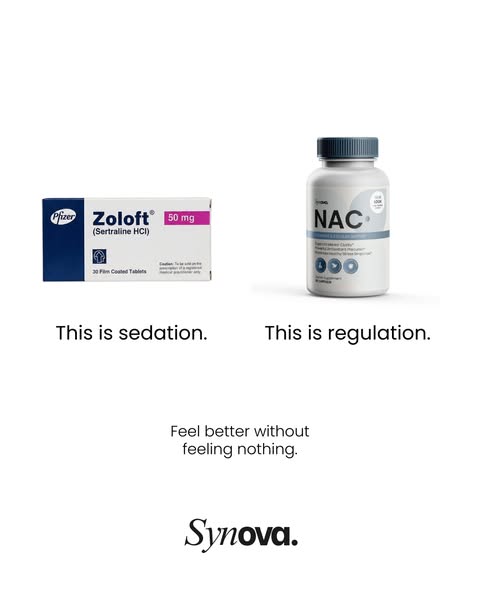
The Serenity Times: “I Spent Three Years Trying To Calm My Anxious Mind”
Publication-style framing. It looks like an article. The hook is a time investment (“three years”) that signals depth and credibility. Running since January 5.
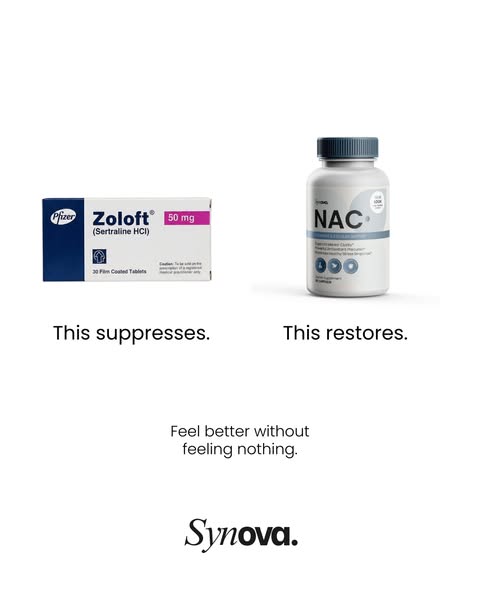
Hippie Farms: “You’re not lazy. You’re not getting old. Your brain is starving for what mushrooms can give them”
Three-line reframe hook. Disarms the reader’s self-blame, then offers a new explanation. Running since December 28. Notice there’s no product name in the hook, just the problem reframed as a nutritional deficiency. Curiosity does the click.
Text Ad Example vs. Video UGC Example
Let’s compare two real supplement ad approaches head to head.
Text Ad: The Serenity Times
- Format: Lifestyle image + 600-word article-style copy
- Hook: “I Spent Three Years Trying To Calm My Anxious Mind”
- Feel: Editorial content
- Production cost: Near zero
- Dwell time: High (people finish reading)
- Algorithm signal: Strong
Video UGC: Talking head, 20 seconds
- Format: Creator to camera, softbox lighting, product visible
- Hook: Usually verbal, first 3 seconds
- Feel: Ad, immediately recognizable
- Production cost: $150 to $500 per video
- Dwell time: Mixed (auto-skip common)
- Algorithm signal: Depends on completion rate
The text ad wins on cost efficiency, dwell time, and algorithm favorability. The video UGC wins on trust signals when the creator has genuine credibility.
The answer isn’t either/or. It’s knowing which to lead with.
When Video UGC Actually Wins
Video isn’t dead. But the video that IS winning looks very different from what most brands are producing.
From our dataset, the video ads with staying power are:
- Short. 13 to 30 seconds, not 60+.
- Talking head. One person, direct to camera, no B-roll.
- Simple production. Natural light, iPhone quality is fine.
- Fast hook. The first three seconds have to earn the watch.
AG1 runs approximately 500 active ads at any given time. Their top-performing creative is UGC testimonial format. But look closely at their top hooks: they’re list-based. “5 things that changed when I switched my morning routine.” “3 reasons I stopped buying protein powder.”
Lists in video work the same way lists in text work. They create a commitment to watch to the end.
The lesson: video that wins behaves like text. Clear structure, fast hook, no wasted time.
The Emotional Trigger Problem
Most supplement brands write copy around features. Ingredients. Dosages. Certifications. This kills performance.
An Evolut Agency study of 500+ supplement ads found that buzzwords like “stress relief” consistently underperform against ads that trigger emotional states directly.
The top emotional triggers in winning supplement copy:
- Security: “You’re not broken. There’s a reason you feel this way.”
- Achievement: “In 30 days, here’s what changed.”
- Identity: “I’m not the person who suffers through the afternoon anymore.”
“Stress relief” is a feature. “You’re not lazy. Your brain is starving.” is an identity reframe. One gets scrolled past. The other stops the thumb.
Rachel Morrison’s ad doesn’t say “reduces cortisol.” It says “stuck in survival mode.” That’s the same thing, but one is a feature and one is a feeling.
What This Means for Your Creative Strategy
If you’re running supplements on Meta right now, here’s the practical read:
Start with text. Before you spend $500 on a UGC video, write 5 different 600-word stories and pair them with lifestyle images. Test those first. The winning angle you find there will tell you what your video script should say.
Kill the feature copy. Ingredients don’t convert. Identity reframes and time investment hooks do. Write for the person, not the product.
If you run video, keep it under 30 seconds. Talking head. Fast hook. Structure it like a text ad with a clear narrative arc.
Use long-form copy to warm the audience. A reader who finishes a 700-word story is pre-sold. They’ve already accepted your framing. Retarget that audience with a direct offer and watch the ROAS.
Image selection is a low-priority decision. Pick a clean, relevant photo. The copy is the variable that matters.
The Uncomfortable Takeaway
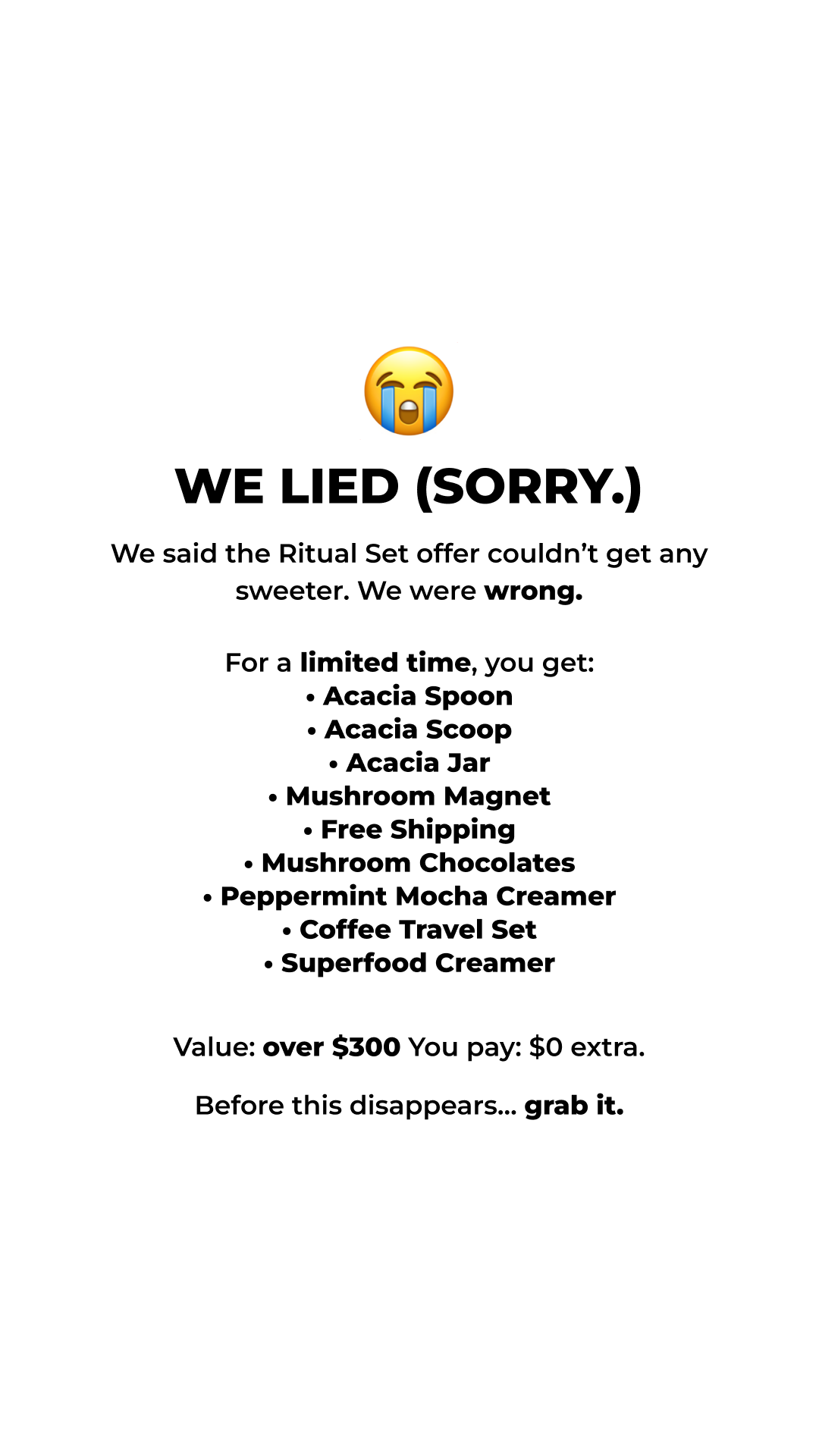
The supplement industry has a video obsession built on vibes, not data. Brands are paying creators, building production workflows, and running UGC programs because everyone else is doing it, not because the data supports it.
The data from 56 winning ads in March 2026 tells a different story. The winning format is a story in a feed, not a video on a screen.
That doesn’t mean video is over. It means you’re probably under-investing in text and over-investing in production. Fix that ratio before your next creative sprint.
Want both formats tested for your brand? Start with APXlab