The 5 Supplement Ad Hooks With the Highest Engagement (Data Inside)
Quick Answer
The five highest-engagement supplement ad hooks are: Authority Credential ('Harvard researcher reveals...'), Contrarian Challenge ('Your doctor won't tell you this...'), Personal Agony ('I couldn't get through the afternoon...'), Social Proof Avalanche ('50,000 five-star reviews'), and Competitive Breakdown ('Why this outperforms the #1 seller'). Authority hooks scored 91/100 in GetHooked analysis.
The hook determines everything. In supplement advertising on Meta, you have roughly 1.5 seconds to stop the scroll. If your hook fails, nothing else matters. Not your product quality, not your offer, not your landing page. The ad dies before anyone sees it.
We analyzed 56 winning supplement ads through GetHooked’s scoring system and identified the 5 hook patterns that consistently generate the highest engagement. These are not theoretical frameworks. They are patterns extracted from ads that are actually scaling right now.
Each hook includes the psychology behind why it works, a fill-in-the-blank template, real-world variations, and performance context from our data.
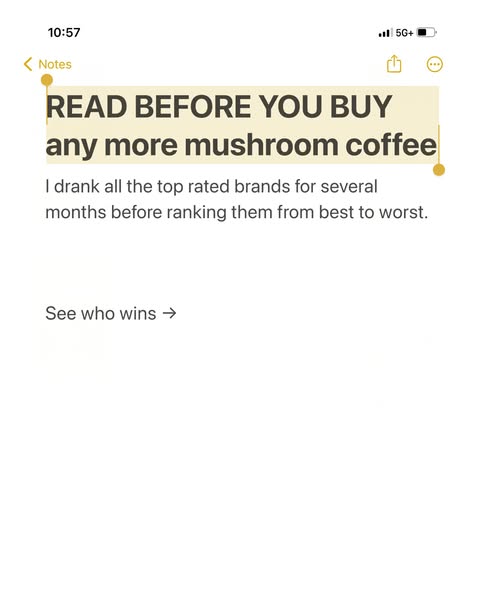
Hook 1: The Authority Credential
Template: “[Credential] reveals [surprising finding] about [ingredient/condition]”
Examples: “Harvard researcher reveals the real reason you cannot sleep through the night” “Pharmacist with 20 years experience explains why most magnesium supplements do not work” “Nutritionist breaks down the one ingredient missing from your morning routine”
Why it stops the scroll: The credential creates instant credibility in a category drowning in unsubstantiated claims. Supplement buyers are bombarded with “miracle cure” language, and most of it comes from people with zero qualifications. When an authority figure appears in the hook, it signals that this content is different from the usual supplement noise.
The “reveals” framing creates an information gap. The viewer thinks: “If a Harvard researcher knows something I do not about sleep, I should probably find out what it is.” That curiosity drives the click or the continued read.
Performance data: Authority hooks scored 91 out of 100 in our GetHooked analysis, the highest of any hook category. They also generated the highest click-through rates and the lowest cost per click across our supplement ad dataset.
The compliance consideration: Authority hooks work precisely because they imply expert endorsement. This means they require extra compliance care. The credential must be real or clearly fictional (a “doctor” AI avatar needs careful handling). Claims made after an authority hook carry more weight with the FTC because viewers assign greater credibility to them.
Variations that work: “Board-certified [specialty] shares [number] things about [ingredient] most people get wrong” “[Professional title] tested [number] [products] and only recommends [number]” “After treating [number] patients, this [professional] changed their mind about [ingredient]“
Hook 2: The Contrarian Challenge
Template: “[Authority/Industry] does not want you to know [surprising truth] about [topic]”
Examples: “The supplement industry does not want you to know this about vitamin D absorption” “Your doctor probably did not tell you about the form of magnesium that actually works” “Big Pharma spent millions making sure you never heard about this compound”
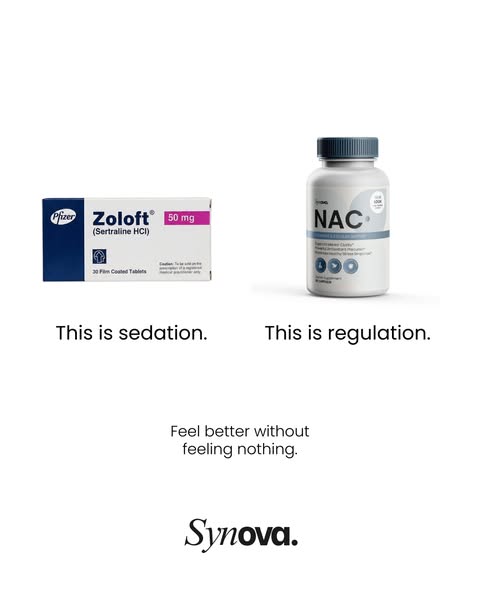 Authority hooks with expert credentials generate the highest trust signals
Why it stops the scroll: Contrarian hooks activate the viewer’s sense of injustice and curiosity simultaneously. The implication that someone is hiding useful health information triggers a protective response. “If someone is keeping this from me, I need to know what it is.”
This hook also positions the viewer as an insider. By engaging with the ad, they join the group of informed people who know the truth. That exclusivity feeling is psychologically powerful.
Performance data: Contrarian hooks generated the second-highest engagement rates in our dataset, particularly strong on scroll-stop metrics. They excel at driving initial attention but require strong body copy to maintain credibility through the full ad. The hook makes a big promise, and the content needs to deliver.
The risk: Overuse has made some versions of this hook feel cliched. “Doctors hate this one trick” is so overplayed that it now triggers skepticism rather than curiosity. The key is specificity. “Your doctor probably did not mention the difference between magnesium oxide and magnesium glycinate” is specific enough to feel credible.
Variations that work: “I am a [professional] and I would never take [common supplement form]. Here is why.” “The [number] billion dollar [industry] does not profit when you know about [ingredient]” “Everything you have been told about [ingredient/condition] is backwards. Here is the data.”
Hook 3: The Personal Agony
Template: “I [specific suffering] until [discovery/change]”
Examples: “I could not get through the afternoon without crashing until I learned about this amino acid” “For three years I tried everything for sleep. Nothing worked until my nutritionist suggested this.” “My brain felt like it was running on fumes by 2 PM every single day”
Why it stops the scroll: Emotional identification is the most powerful conversion driver in supplement advertising. When the viewer reads a specific description of their own experience, it creates an instant connection. The reaction is visceral: “That is literally me.”
The agony hook works because supplements solve felt problems. People do not buy magnesium because they want magnesium. They buy it because they cannot sleep, their muscles cramp, or their anxiety spikes at 3 AM. Leading with the pain that the viewer recognizes is more powerful than leading with the solution they do not know yet.
Performance data: Personal agony hooks generated the highest save rates and share rates in our dataset. People bookmark these ads because they resonate on a personal level. The engagement pattern suggests they also drive word-of-mouth sharing, with viewers sending the ad to friends who share the same struggle.
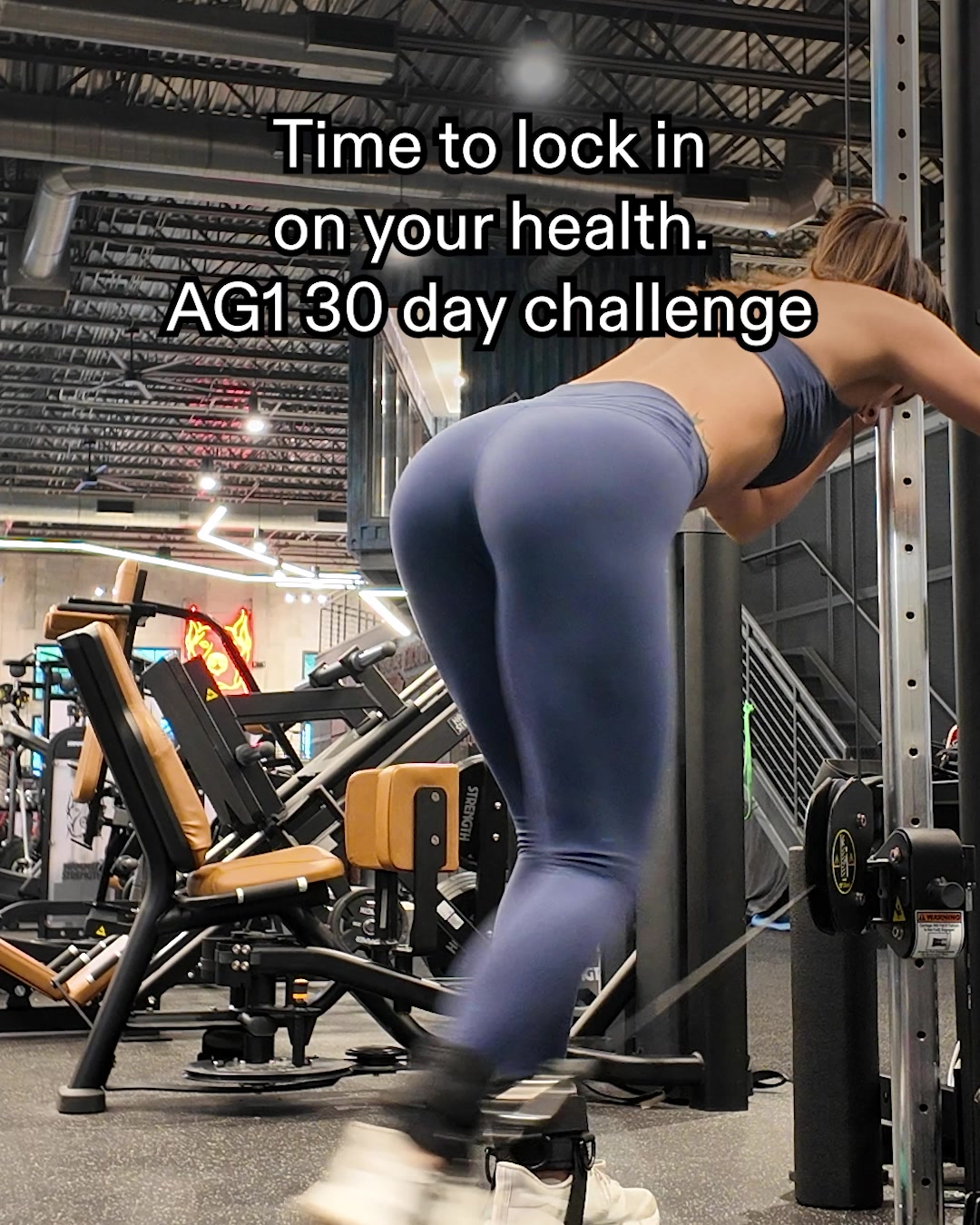
The key to execution: Specificity separates good agony hooks from generic ones. “I was tired” does not stop the scroll. “I set four alarms and still could not drag myself out of bed, then spent the first two hours at work staring at my screen pretending to think” stops the scroll because it describes a specific, recognizable experience.
Variations that work: “Every afternoon at 2 PM my brain just… stopped. Like someone unplugged me.” “I spent $300 per month on [number] different supplements. Then my [authority figure] told me I only needed one.” “The worst part was not the [symptom]. It was watching it affect my [relationship/work/life].”
Hook 4: The Social Proof Avalanche
Template: “[Impressive number] [people/reviews/results] cannot be wrong about [product/ingredient]”
Examples: “50,000 five-star reviews. Here is what they are all saying.” “This supplement outsells every competitor on Amazon by 3 to 1. We tried it.” “8 million bottles sold. I finally understand why.”
Why it stops the scroll: Numbers create instant credibility through scale. When a viewer sees “50,000 five-star reviews,” the mental calculation is simple: that many people cannot all be wrong. The social proof bypasses the need for individual persuasion.
The supplement-specific angle: Supplement buyers are skeptical by nature. They have been burned by products that did not work and claims that were exaggerated. A large number of verified positive experiences short-circuits that skepticism more effectively than any single testimonial or expert endorsement.
Performance data: Social proof hooks generated the highest conversion rates at the bottom of funnel. They are less effective at cold audiences (who do not recognize the brand) but devastatingly effective for retargeting campaigns where the viewer already has some familiarity.
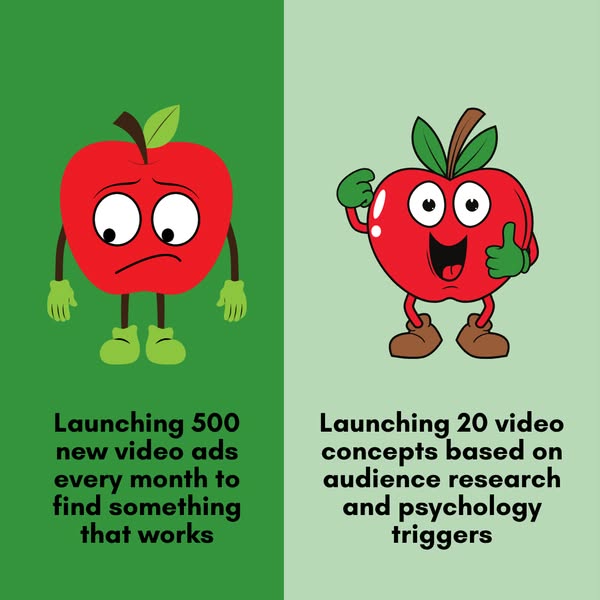
Variations that work: “[Number] customers switched from [competitor/category] in the last [timeframe]” “The most re-ordered supplement on [platform]. [Number] repeat customers this month.” “I ignored this for months. Then [number] of my friends told me to try it.”
Hook 5: The Competitive Breakdown
Template: “Why [product] outperforms [competitor/category] on [specific metric]”
Examples: “We compared the top 5 magnesium supplements. Only one used the right form at the right dose.” “Same ingredient, 3x the absorption. Here is why the form matters more than the dose.” “This costs $0.50 more per day than the leading brand. Here is why it is worth 10x that.”
Why it stops the scroll: Supplement buyers are constantly evaluating alternatives. They are comparison shoppers by nature, checking ingredient panels, reading reviews, and analyzing cost-per-serving. A hook that does the comparison work for them immediately provides value, which earns attention.
The competitive angle also activates loss aversion. If you are currently taking a supplement and an ad suggests a better option exists, the fear of missing out on better results drives engagement.
Performance data: Competitive breakdown hooks scored highest on engagement duration. Viewers who stopped for these hooks spent significantly more time with the ad than any other hook type. This deep engagement translates to higher quality traffic and better downstream conversion rates.
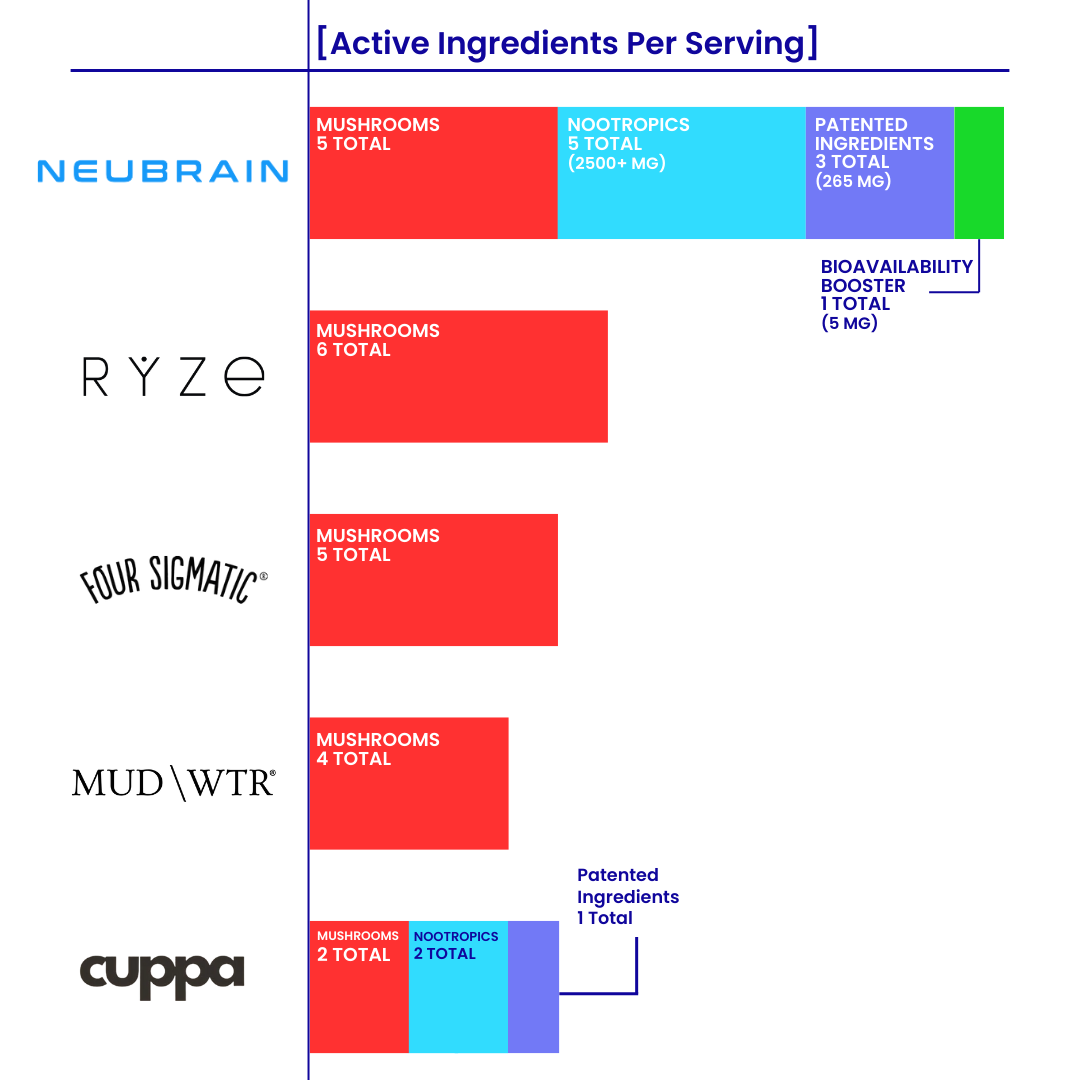
The execution principle: Honest comparisons outperform hit pieces. Acknowledge what the competitor does well before explaining where your product differs. “Brand X makes a solid product with good ingredients. But they use magnesium oxide, which has 4% bioavailability. We use magnesium glycinate at 80% bioavailability.” That reads as objective analysis, not marketing spin.
Variations that work: “I took both for 30 days. The difference was obvious by day [number].” “[Competitor] charges $[price] for [dose]mg of generic [ingredient]. Here is what you get for $[price] more.” “The ingredient panel tells the whole story. Let me walk you through it.”
How to Test These Hooks Systematically
Having 5 hook patterns is only useful if you test them methodically. Here is the framework we use for supplement brands.
Step 1: Write 2 to 3 variations of each hook pattern customized to your specific product and audience. That gives you 10 to 15 hooks to test.
Step 2: Pair each hook with the same body copy and CTA. This isolates the hook as the only variable, giving you clean data on which pattern resonates with your audience.
Step 3: Run all hooks at equal budget for 48 to 72 hours. Measure scroll-stop rate (thumb-stop ratio), click-through rate, and cost per click.
Step 4: Kill the bottom 70% of hooks. Take the top 3 to 4 winners and create 5 variations of each with different specifics, different pain points, or different authority figures.
Step 5: Repeat the testing cycle weekly. Your winning hook pattern may shift as your audience evolves and creative fatigue sets in on specific angles.
The volume principle: test 15 hooks per month, scale 3 to 4 winners, retire the rest. AI tools make this testing velocity affordable. At $5 to $10 per AI-generated video, testing 15 hooks costs $75 to $150, less than a single traditional UGC video.
The Combination Play
The most effective supplement ads often combine two hook patterns in sequence.
Authority plus Agony: “Harvard sleep researcher here. I see patients every week who describe the same thing: lying awake at 3 AM with a racing mind…”
Contrarian plus Competitive: “Everything you have been told about vitamin D is backwards. I compared 12 brands and found that most of them…”
Social Proof plus Agony: “200,000 people found this after years of the same frustrating cycle I went through…”
Combination hooks leverage two psychological triggers simultaneously, creating a stronger scroll-stop effect. They require slightly more sophisticated scripting but consistently outperform single-pattern hooks in our testing.
Want data-driven hooks built from real supplement ad intelligence? See how APXlab uses GetHooked data to create hooks that convert.