The Exact Ad Script Frameworks Behind Top-Performing Supplement Ads
Quick Answer
The top-performing supplement ad scripts in 2026 follow four proven frameworks: Doctor Authority (expert persona explaining science), First-Person Story (personal journey to discovery), List Hook ('X reasons I switched'), and Anger Hook ('what they're hiding from you'). Each framework follows the same structure: emotional hook, problem stacking, credibility moment, product reveal, soft CTA.
We pulled the highest-scoring supplement ads running on Meta right now. Ran them through GetHooked. Scored them. Reverse-engineered the scripts.
What we found: the top performers aren’t winging it. They’re running one of four specific frameworks, and they’re running them almost identically every time.
Here’s every framework, broken down with real brand examples and hooks you can steal.
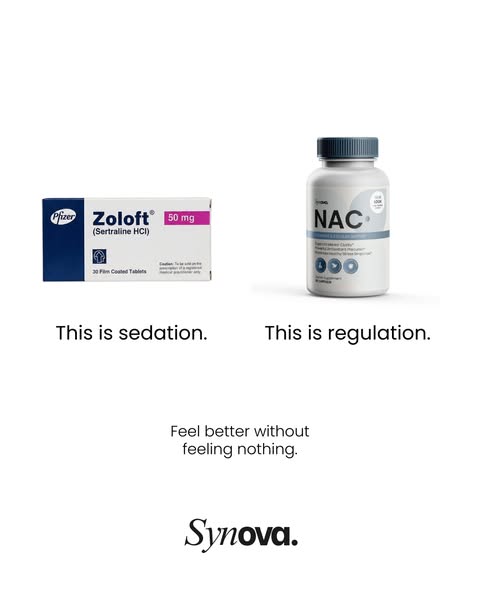
Why Script Structure Matters More Than the Product
Most supplement brands write their ads like this:
“Introducing [Product Name]. Made with natural ingredients. Feel better today. Shop now.”
That’s a brochure. Not an ad.
The brands spending $10K to $100K per month on Meta aren’t writing brochures. They’re running scripts. Structured, tested, framework-driven scripts that follow a repeatable pattern every single time.
The pattern looks like this:
Hook → Problem stacking → Credibility moment → Product reveal → Sensory result proof → Soft CTA
Notice what’s not in that structure: “BUY NOW.”
The best-performing supplement ads don’t close hard. They close soft. “Worth trying.” “Link’s below.” “You can find it here.” The product sells itself by the time you get there.
Framework 1: Doctor Authority
The idea: Put a credible expert in front of the camera (or in the copy) and let their authority do the heavy lifting. When a doctor speaks, skepticism drops.
The Pattern
- Hook: A bold, problem-focused statement the viewer didn’t expect
- Authority build: Establish years of experience, patients treated, credentials
- The revelation: “The #1 thing that stops [problem] isn’t [what they think]”
- Product intro: The solution the expert actually recommends
- CTA: LEARN_MORE. Not “buy,” not “shop.” Learn.
Real Brand Example
Dr. Ian Thomas has been running this framework since January 4, 2026. GetHooked score: 91.
Hook: “Stop panic attacks, naturally.”
From there, the script builds: 15 years of practice, 12,000 patients treated. The framing is “I’ve seen everything, and this is what actually works.” The supplement gets introduced as the expert’s recommendation, not a brand’s pitch.
That distinction matters enormously.
Why It Works
Authority bypasses skepticism. The viewer’s brain processes a doctor differently than a brand. A brand wants your money. A doctor (supposedly) wants you to get better.
This is especially effective for supplements, where the question is always “does this actually work?” Having someone credible answer “yes” and explain the science briefly is often enough.
What to Steal
Use the phrase “The #1 thing that stops [problem] isn’t [expected solution].” It creates a pattern interrupt. The viewer expects one answer and gets another. They have to keep watching to find out what it actually is.
Don’t have a doctor? A naturopath works. A pharmacist works. Even a “health researcher” persona can work if the script is tight enough.
Framework 2: First-Person Story
The idea: Tell a real, specific, relatable story in first person about struggling with the exact problem your audience has. The product isn’t the hero. The person is.
The Pattern
- Hook: An opening line that makes your audience say “that’s literally me”
- Vivid opening scene: Specific, visual, grounded
- The tried-everything journey: List real alternatives they probably tried (ashwagandha, CBD, magnesium)
- The discovery: A naturopath, a friend, a random recommendation. Not a Google ad.
- Product reveal: The one thing that worked, explained simply
- Sensory result proof: How it felt. Physical, specific, undeniable.
- Soft CTA: “Link’s below” or “worth a try”
Real Brand Examples
The Serenity Times has been running this framework since January 5, 2026. GetHooked score: 91.
Hook: “I Spent Three Years Trying To Calm My Anxious Mind.”
Three years. Not “a while.” Three years, with a number. That specificity is what stops the scroll.
The script goes into a vivid opening: sitting in a grocery store parking lot, unable to go in. Tried everything (ashwagandha, CBD, magnesium). Some knocked them out. Some did nothing. Eventually found the product through a naturopath. The result: jaw unclenched, stopped grinding teeth at night.
Rachel Morrison runs a variation of this (live since December 7) with the hook: “Read this if you’re stuck in survival mode.”
Same framework, different entry point. The structure underneath is identical.
Why It Works
Relatable specificity is the whole game.
Vague copy gets scrolled past. Specific copy gets people leaning in.
“I was sitting in my car in the grocery store parking lot, unable to go inside” is not vague. That image is real. And for someone who’s experienced anxiety like that, it hits instantly. The script earns trust through specificity before the product ever shows up.
What to Steal
Open with a visual scene, not a feeling. Don’t write “I was really anxious.” Write “I was sitting in my car in the grocery store parking lot, engine off, for 20 minutes.” Let the viewer infer the feeling from the image.
Name the alternatives they tried. “I tried everything” means nothing. “I tried magnesium, ashwagandha, and a month of CBD oil” means something.
Framework 3: List Hook
The idea: Lead with a number. Promise organized, scannable value. The number tells the viewer exactly what they’re getting and how long it’ll take.
The Pattern
- Hook: A number + a curiosity gap (“4 reasons I drink this every morning”)
- Reason 1: A short, punchy explanation
- Reason 2 to N: Each reason builds the case a little more
- CTA: Natural, low-pressure close
Real Brand Example
AG1 runs this framework at scale. Roughly 500 active ads built around a $600M ad strategy.
Hooks they’ve run: “4 reasons I drink this” and “Why I quit my supplements for this.”
The second one is interesting. It’s technically a list hook framed as a story hook. The curiosity gap (“why would you quit your supplements?”) forces you to keep reading.

AG1 doesn’t run 500 ads by accident. They’ve found what works and systematized it. The list hook is clearly one of their core frameworks.
Why It Works
The brain likes organization. When a viewer sees “4 reasons,” they know what they’re getting. There’s an implicit promise: this will be quick, clear, and worth reading.
Each “reason” can be its own mini-story. One or two sentences that land emotionally. The list gives structure. The mini-stories give feeling.
What to Steal
The “I quit X for this” structure is underused. It implies you already had a solution and found something better. That makes the discovery feel more credible than “I found this thing!”
Framework 4: Anger Hook
The idea: Tap into distrust of the supplement industry. Most people already suspect they’re being misled. This framework validates that suspicion and then offers a better answer.
The Pattern
- Hook: A confrontational, us-vs-them opening
- Conspiracy reveal: What “they” don’t want you to know
- The science: A brief, accessible explanation of why the product works
- Product intro: Positioned as the honest alternative
- CTA: Soft but urgent
Real Brand Example
Multiple brands in the stress and anxiety supplement space are running this framework.
Hook: “I’m about to tell you what they’re hiding from you and why they’ll NEVER tell you the truth.”
That’s a big swing. But it works because it activates something real. People are genuinely skeptical of supplements. The anger hook meets them where they already are.
The script does a “reveal” about ingredient quality, effective dosing, or a mechanism most brands ignore. The product enters as the honest version of what the industry has been selling wrong.
Why It Works
Outrage drives engagement. When people feel like they’ve been misled, they share. They comment. They screenshot. The anger hook generates organic reach that other formats don’t.
It also builds trust paradoxically. By acknowledging that the industry is flawed, the brand positions itself as the honest player.
What to Steal
The softer version works too: “Here’s what most supplement brands get wrong about dosing” activates the same psychology with lower risk.
Use this framework when your product genuinely does something differently. If the product is the same as what’s already out there, the anger hook will feel hollow.
Full Script Example: 200mg of Zen
Here’s a complete script using the First-Person Story framework for a real product. 200mg of Zen by Allergy Research Group (L-Theanine 200mg + GABA 550mg, $44.19/60 capsules).
HOOK (0-3s) Direct to camera, casual
“Ok so I’ve tried like 6 different things for stress and this is the only one I’m still taking.”
PROBLEM (3-8s)
“I’m someone who’s go-go-go all day and then at night my brain just won’t shut up. I tried magnesium, I tried ashwagandha. They either knocked me out or did nothing.”
SOLUTION (8-16s) Holds bottle casually
“My naturopath told me about this. It’s L-theanine and GABA together. It’s literally what makes green tea calming, but at an actual effective dose. Two caps.”
RESULT (16-24s)
“The thing I love is I can take it during the day and I’m not foggy. I still get stuff done, I just don’t feel like I’m running on adrenaline anymore.”
CTA (24-30s)
“It’s called 200 mg of Zen. Link’s below. If your brain doesn’t know how to relax, try this.”
Notice the structure: hook → problem stacking → credibility moment (naturopath) → product reveal → sensory proof (“not foggy,” “still get stuff done”) → soft CTA (“try this,” not “buy now”).
Every framework we covered follows this same skeleton underneath.
The Universal Structure
All four frameworks look different on the surface. A doctor talking to camera. A woman in a parking lot. A numbered list. A conspiracy reveal.
But underneath, they all follow the same skeleton:
| Step | What It Does |
|---|---|
| Hook (0-3s) | Stops the scroll with emotion or curiosity |
| Problem stacking | Makes the problem feel real and shared |
| Credibility moment | Earns trust before the pitch |
| Product reveal | Introduces the solution naturally |
| Sensory result proof | Shows how it felt, not what it does |
| Soft CTA | ”Worth trying.” Not “BUY NOW.” |
Pick a framework. Follow the skeleton. Fill in the details with your product’s story.
The brands spending six and seven figures on Meta ads aren’t reinventing the wheel every time they launch a new creative. They’re running variations on these four frameworks. Tested, refined, and repeated.
Need scripts written for your brand? APXlab builds ads on these exact frameworks