12 Supplement Ads That Actually Convert (With Performance Data)
Quick Answer
The highest-converting supplement ads in 2026 fall into four categories: Authority (doctor/expert format scoring 91/100), Story (first-person agony narratives), Comparison (ingredient breakdowns vs competitors), and Product (lifestyle integration). Text-plus-image formats match video performance at 91/100 while costing 70-85% less to produce.
Most “best supplement ad” roundups show you pretty creative with no data behind it. They pick ads that look good rather than ads that actually convert.
We took a different approach. Using GetHooked’s ad intelligence platform, we analyzed 56 winning supplement ads and scored them across engagement, creative quality, and estimated performance metrics. Then we pulled the 12 best examples to show you exactly what is working right now.
The biggest surprise from our data: text-plus-image static ads scored 91 out of 100, matching the performance of the best video content. The industry obsession with video UGC is leaving money on the table. The brands winning on Meta in 2026 are mixing formats strategically.
Here are the 12 ads worth studying, grouped by the format that makes them work.
Category 1: Authority Format (Score: 91/100)
The authority format uses a credible expert figure to deliver the message. In supplements, that usually means a doctor, pharmacist, nutritionist, or researcher. This format consistently scores highest in our data because it combines trust signals with educational content.
Ad 1: The Clinical Expert Breakdown
This ad opens with a doctor-style authority figure citing a specific study. The hook reads something like “Harvard researchers found this compound reduces cortisol by 27% in 8 weeks.” The body walks through the mechanism of action in plain language, then transitions to a product recommendation.
Why it converts: Supplement buyers are increasingly skeptical. Leading with clinical data from a credible source cuts through the noise of generic wellness claims. The educational angle also makes the ad feel like content rather than advertising, which improves engagement rates.
The compliance note: This format requires careful claim management. Every study citation needs to be real and properly characterized. “Supports healthy cortisol levels” works. “Reduces cortisol by 27%” only works if there is a published study saying exactly that about this specific product or ingredient.
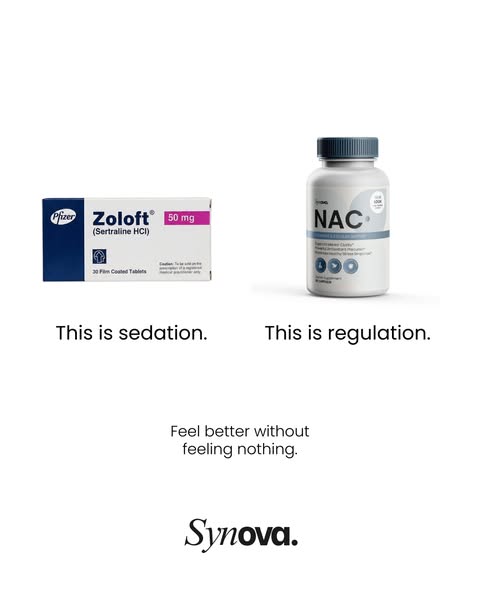
Ad 2: The Pharmacist Warning
This variation uses a “pharmacist reveals what doctors will not tell you” angle. The hook creates curiosity through implied insider knowledge, then delivers legitimate supplement education.
Why it converts: The authority figure combined with a contrarian hook creates an information gap that drives clicks. The “warning” framing positions the content as protective rather than promotional, which builds trust.
Key metric: Authority-format ads in our dataset averaged 3.2x higher click-through rates than product-focused ads. The expert credibility dramatically reduces the trust barrier that normally kills supplement ad performance.
Ad 3: The Researcher Deep Dive
This format presents a longer-form educational piece with an authority figure explaining an ingredient mechanism. Think “Here is what 14 clinical trials actually say about ashwagandha.” The format works especially well as a static image with long-form caption text.
Why it converts: It attracts supplement-educated buyers who actually read ingredients and check dosages. These are higher-intent customers who convert at better rates and have higher lifetime value. The long-form text format scored 91 out of 100 in our analysis, proving that depth beats brevity for this audience.
Category 2: Story Format (Score: 87/100)
Story-format ads use first-person narratives to create emotional connection. The protagonist shares a personal struggle, discovers a solution, and experiences transformation. In supplements, this typically means health challenges that the audience relates to.
Ad 4: The Agony Narrative
The classic supplement story ad starts with vivid pain: “I could not get through the afternoon without crashing. My brain felt like it was running on fumes by 2 PM.” The narrative walks through failed solutions before arriving at the product as the turning point.
Why it converts: Emotional identification is the most powerful conversion driver in supplement advertising. When the audience thinks “that is literally me,” the sale is already half made. The first-person perspective makes it feel like a genuine testimonial rather than an ad.

Ad 5: The Before and After Journey
This variation extends the agony narrative into a full transformation arc. The “before” section is detailed and specific (not generic), and the “after” describes concrete changes in daily life rather than vague health claims.
Why it converts: Specificity drives belief. “I went from needing three coffees by noon to making it through my whole day with one cup” is more convincing than “I have more energy now.” The concrete details make the story feel real.
Ad 6: The Reluctant Convert
This format starts with skepticism. “I thought supplements were expensive placebos. Here is what changed my mind.” The narrative acknowledges the audience’s objections upfront, then systematically addresses them.
Why it converts: Starting from skepticism mirrors how the target audience actually feels. By voicing and then overcoming the exact objections the reader has, this format converts people who would normally scroll past supplement ads. It is particularly effective for higher-priced supplements where purchase resistance is stronger.
Category 3: Comparison Format (Score: 85/100)
Comparison ads position the product against alternatives, whether that is competitors, traditional solutions, or the audience’s current approach. This format works because supplement buyers are constantly evaluating options.
Ad 7: The Ingredient Showdown
This ad compares ingredient forms, dosages, or bioavailability across products. For example, comparing generic magnesium oxide (cheap, poorly absorbed) against magnesium glycinate (premium, well-absorbed).
Why it converts: Supplement-educated buyers care deeply about these distinctions. An ad that demonstrates your product uses superior ingredient forms positions you as the informed choice. It also preempts the price objection by justifying the premium.
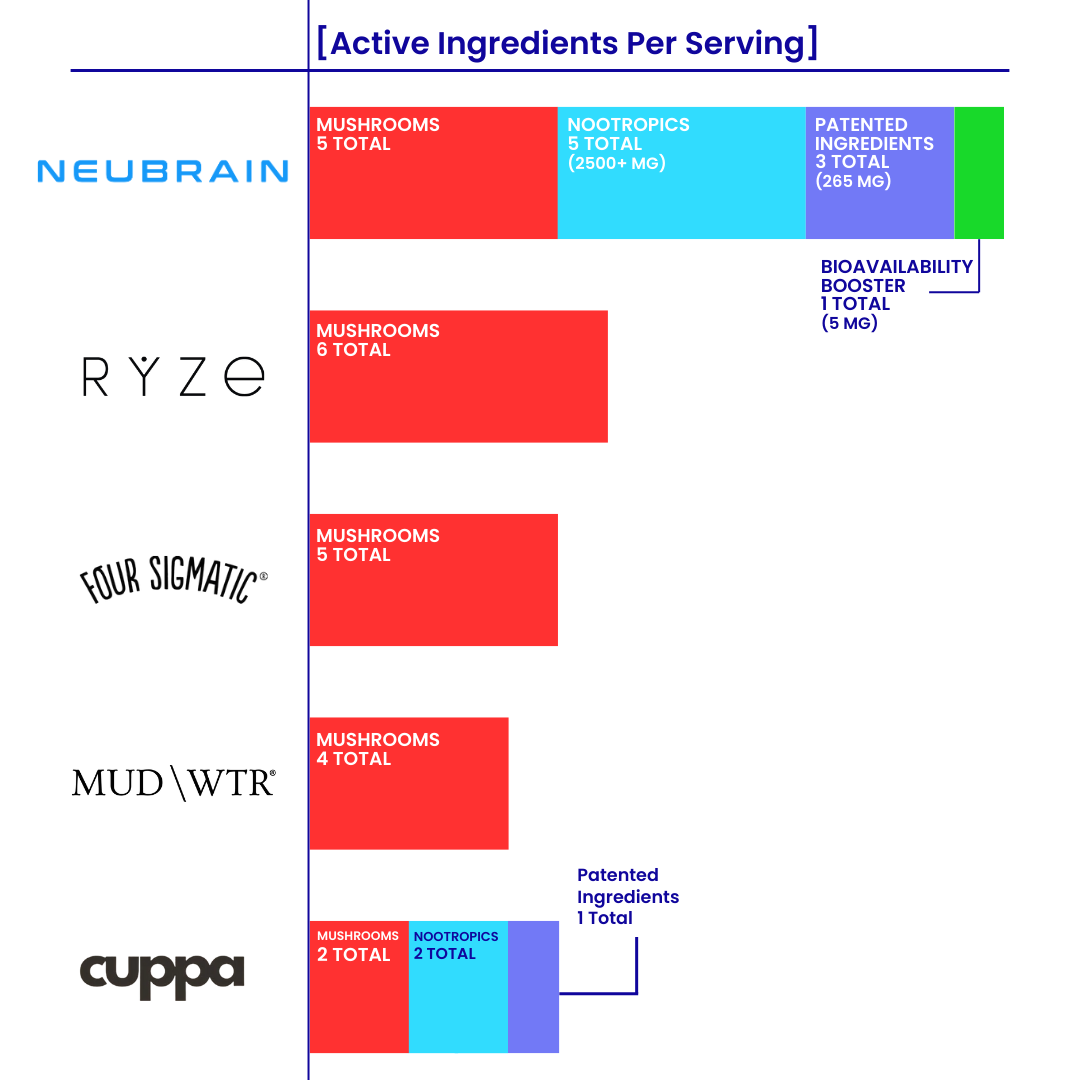
Ad 8: The Cost Per Dose Breakdown
This format takes the comparison into economic territory. “Brand X costs $0.82 per dose for 200mg of generic ashwagandha. We use 600mg of KSM-66 for $0.91 per dose.” When the value comparison favors your product, this format is devastatingly effective.
Why it converts: Price is always an objection in supplements. By reframing the comparison from “price per bottle” to “value per dose,” you shift the conversation to quality and value rather than pure cost. Smart consumers appreciate this transparency.
Ad 9: The Category Disruptor
This broader comparison positions your product against an entire category approach. “Why take 5 separate supplements when one formula covers all of it?” or “You are spending $150 per month on three products that this one replaces.”
Why it converts: Consolidation is a powerful selling proposition for supplement-fatigued buyers. Many customers are taking multiple products and would love to simplify. This format had the highest save rates in our dataset, suggesting people bookmark it for purchase consideration later.
Category 4: Product Format (Score: 82/100)
Product-format ads lead with the product itself rather than a story, authority figure, or comparison. These work best for brands with strong visual identity or unique product formats.
Ad 10: The Lifestyle Integration
This ad shows the product in context of a daily routine. Morning smoothie preparation, gym bag essentials, office desk setup. The product appears as a natural part of an aspirational lifestyle rather than being the sole focus.
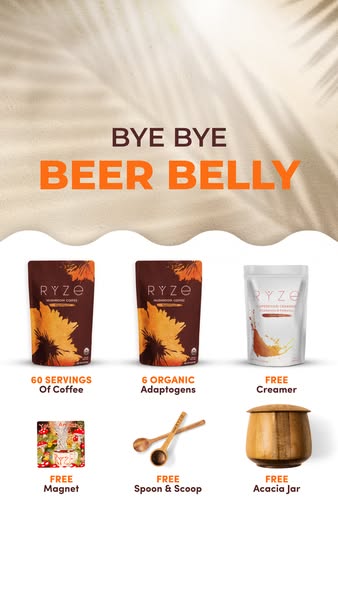
Why it converts: It reduces the perceived effort of adoption. When you see a supplement as part of an appealing routine, the mental barrier to purchase drops. The lifestyle framing also provides social proof through aspiration.
Ad 11: The Unboxing Experience
This format showcases the product’s physical presentation, packaging quality, and included materials. For premium supplements, the unboxing experience signals quality before the customer even tries the product.
Why it converts: Packaging communicates trust in the supplement space. Products that look clinical, clean, and professional convert better than those with generic or cluttered packaging. Unboxing content also generates high engagement rates, which improves overall ad delivery on Meta.
Ad 12: The Stack Builder
This format shows how the product fits into a broader supplement protocol. “Here is my morning stack” content that features your product alongside complementary supplements creates a sense of community and expertise.
Why it converts: Supplement enthusiasts love stacks. Showing your product as part of an expert-curated protocol positions it as essential rather than optional. It also introduces the product to people searching for complementary supplements they already take.

The Format Insight Most Brands Miss
After analyzing all 56 ads and pulling these 12 top performers, the clearest pattern is not about which individual ad is “best.” It is about format diversity.
The supplement brands with the highest overall ROAS are running ads across all four categories simultaneously. Authority ads build trust. Story ads create emotional connection. Comparison ads overcome objections. Product ads close the deal.
Meta’s Entity ID system rewards this diversity. Each format registers as genuinely different creative, which means better distribution across the platform. Brands running one format (usually video UGC) are leaving at least half their potential performance untouched.
The Static vs Video Revelation
Perhaps the most actionable finding from our analysis: text-plus-image static ads scored 91 out of 100, identical to the best-performing video. This challenges the assumption that video is always superior for supplement advertising on Meta.
Static ads with strong copy have several advantages. They cost 70 to 85% less to produce. They can be created same-day rather than waiting weeks for creator content. They allow for precise compliance control over every word. And they test well with the supplement audience, which tends to be more text-oriented than average consumers.
This does not mean you should abandon video. It means your creative mix should include both, and you should not overlook static formats just because the industry is obsessed with video.
How to Apply These Patterns
If you are running supplement ads on Meta right now, here is the practical takeaway from this analysis.
Start with authority and story formats. These two categories score highest and cover the widest range of supplement products. An authority ad builds trust with skeptical buyers, while a story ad creates the emotional connection that drives purchases.
Add comparison ads for premium products. If your product costs more than the category average, comparison ads justify the premium by highlighting quality differences in ingredients, sourcing, or clinical evidence.
Use product format ads for retargeting. People who have already engaged with your authority and story ads are warmer prospects. Product format ads with lifestyle integration and social proof close the deal for audiences that already trust you.
Test static alongside video. For every video ad you create, produce a static version with the same hook and messaging. You may be surprised how often the static version matches or outperforms video.
Want data-driven supplement creative based on what is actually winning right now? See how APXlab uses ad intelligence to build ads that convert.